
#Virtual Artist
Subjective perception of reality refers to how individuals experience and interpret the world around them based on their individual perspectives, experiences, and beliefs. This means that reality is not fixed or objective, but instead is shaped by personal perceptions and interpretations.
For example, two people looking at the same object can have different perceptions of its color, shape, or size based on their individual experiences and beliefs. Subjective perception also influences our memories and understanding of events, as memories are influenced by personal interpretations and can change over time.
This highlights the importance of recognizing that our individual perceptions of reality are not necessarily the same as objective reality, and that different people can have vastly different experiences and interpretations of the same event or situation.
HR
Human reality is the physical world and its objects and events, as they exist independent of perception or interpretation.
VR
Virtual reality is a simulated experience that can be similar to or completely different from the real world, created using computer technology. In VR, users can interact with a computer-generated environment and experience it as real. The experience is typically achieved using a headset and hand-held controllers that track the user’s movements and provide input to the VR environment.

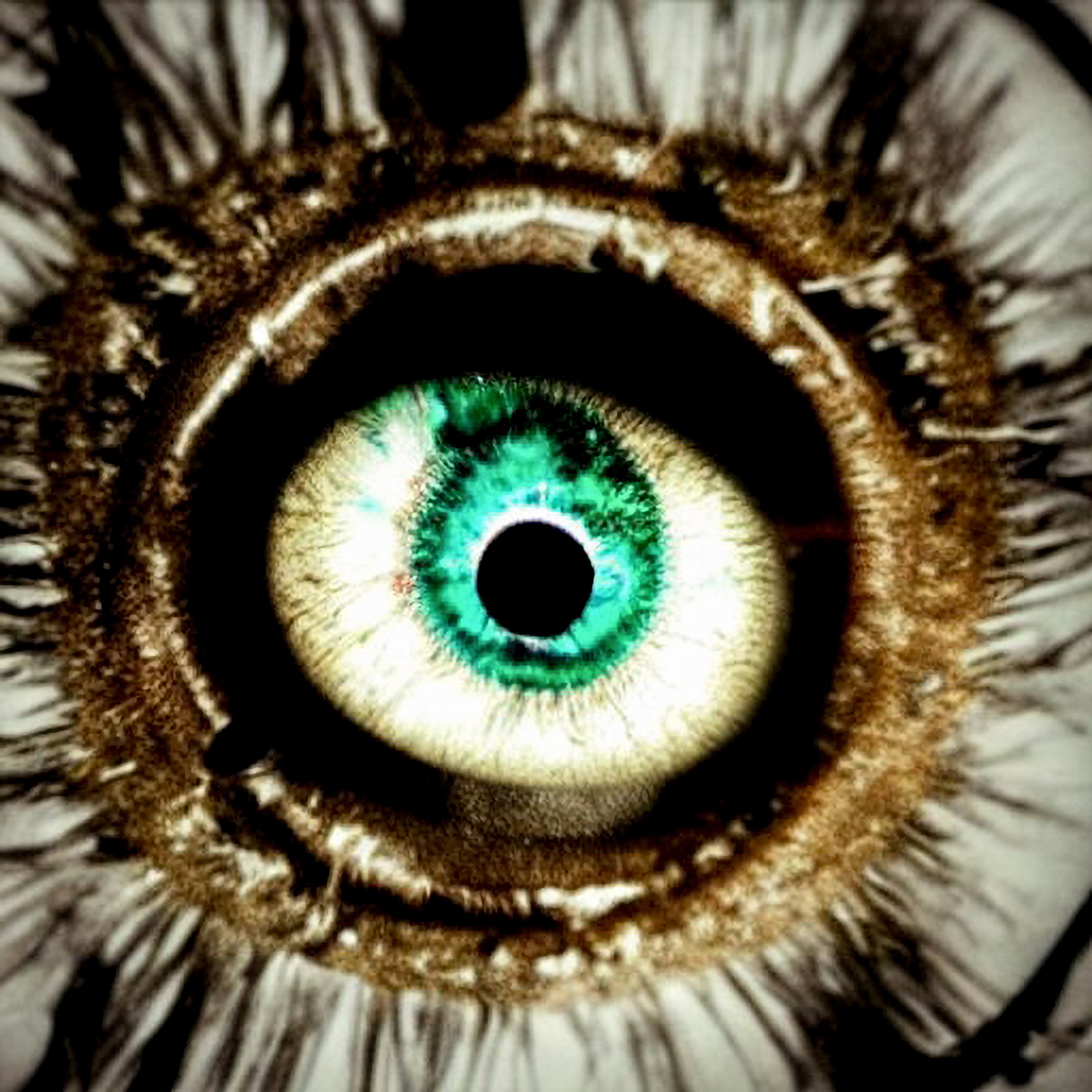





You see, what you see.
The phrase “art is in the eye of the beholder” means that the interpretation and appreciation of art is subjective and varies from person to person. It suggests that there is no one correct or universal definition of what constitutes art, and that beauty and value are ultimately in the perception of the individual observer.


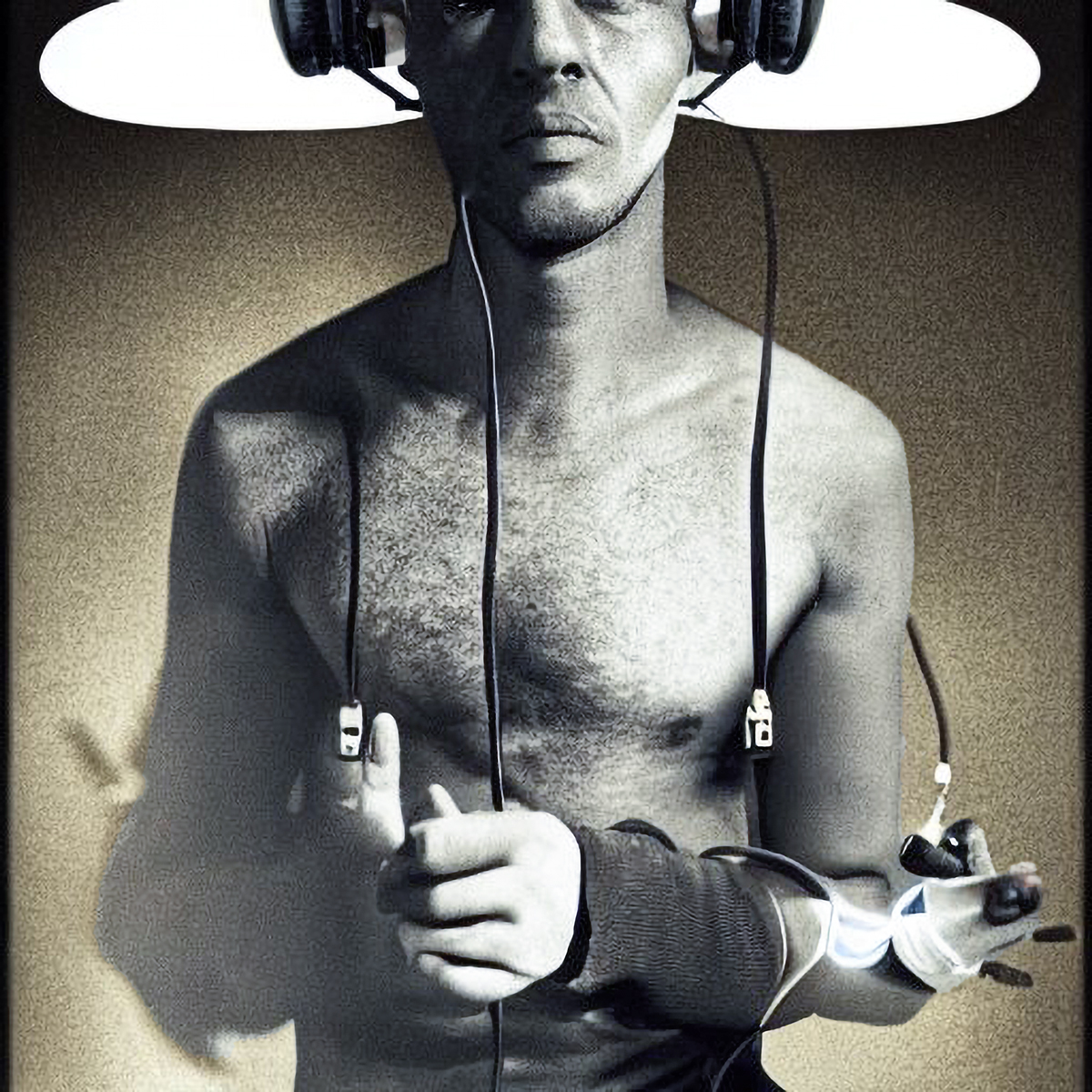

Where we go from here
There are numerous directions that AI can take in the future. One area of focus is advancing Natural Language Processing (NLP) to enhance human-like communication and tackle language-based tasks. Additionally, machine learning and deep learning techniques will likely continue to improve, leading to more effective solutions for complex problems. The development of AI-powered autonomous systems such as self-driving cars and drones will also likely continue. The integration of AI in various industries, such as healthcare, finance, and retail, will also likely grow as a means of improving efficiency and decision-making. Along with these advancements, it is important to also consider the ethical and societal implications of AI, including issues related to privacy, bias, and accountability. Ensuring a diverse and well-trained AI workforce through investment in education and skills development will also be crucial in shaping the future of AI.